
Contents
Overview
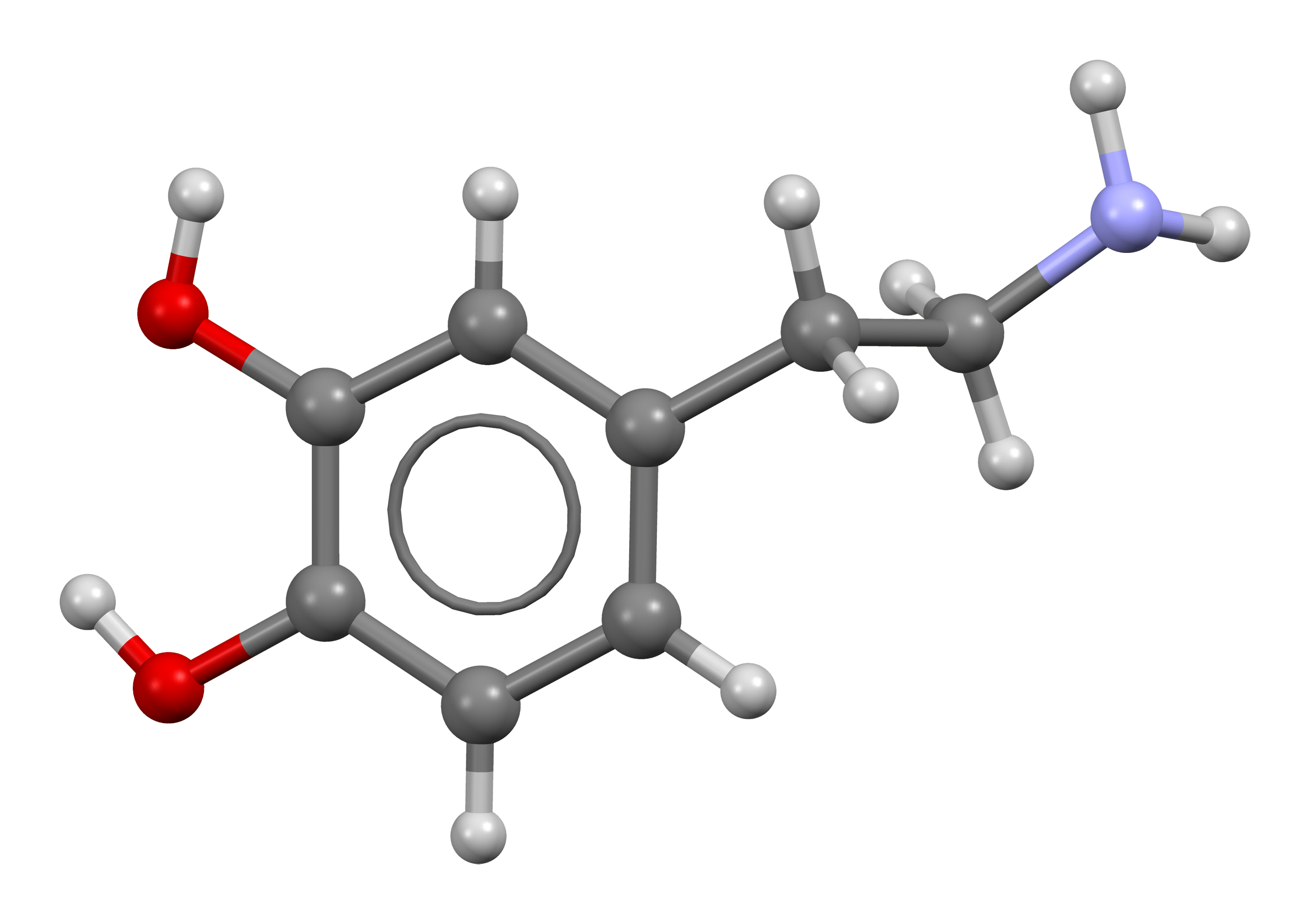
Dopamine, scientifically known as 3,4-dihydroxyphenethylamine, is a vital organic chemical that functions as both a hormone and a neurotransmitter. As a member of the catecholamine and phenethylamine families, it plays a multifaceted role in the central nervous system and peripheral organs. Its name is derived from 'dihydrophenylalanine,' reflecting its chemical structure. Dopamine is critical for numerous physiological processes, most notably those related to reward, motivation, and movement.
🔬 How It Works (Mechanics)
Dopamine operates through distinct pathways in the brain. The mesolimbic pathway, often dubbed the 'reward pathway,' is central to motivation and pleasure. When we anticipate or experience something rewarding—like good food, social interaction, or achieving a goal—dopamine is released, signaling that the experience is valuable and should be repeated. Another key pathway, the nigrostriatal pathway, is essential for smooth, coordinated motor control. The mesocortical pathway influences cognitive functions like planning and decision-making. Dopamine exerts its effects by binding to specific dopamine receptors on target neurons, triggering a cascade of intracellular signals that alter neuronal activity.
📊 Key Facts, Numbers & Statistics
Dopamine is produced in specific brain regions. The synthesis of dopamine from L-DOPA is catalyzed by the enzyme DOPA decarboxylase.
🌍 Real-World Examples & Use Cases
The most recognized role of dopamine is in the brain's reward system. The anticipation of a treat, a successful outcome in a video game, or positive social feedback can all trigger dopamine release, reinforcing the behavior. Its degeneration is linked to Parkinson's disease, and excessive dopamine activity is implicated in schizophrenia, where it may contribute to hallucinations and delusions. Many addictive drugs, such as cocaine and amphetamines, directly interfere with dopamine signaling by blocking its reuptake or increasing its release, hijacking the brain's reward circuitry.
📈 History & Evolution
The understanding of dopamine's role has evolved significantly. Early research in the 1950s by Arvid Carlsson identified dopamine as a distinct neurotransmitter, challenging the prevailing view that it was merely a precursor to norepinephrine. Carlsson's work, for which he later received the Nobel Prize, demonstrated dopamine's critical role in motor function, laying the groundwork for understanding Parkinson's disease. Subsequent research in the 1970s and 1980s illuminated its involvement in reward and motivation, particularly through studies on self-stimulation in animals and the effects of psychoactive drugs.
⚡ Current State & Latest Developments
Current research is delving deeper into the nuanced roles of different dopamine receptor subtypes (D1-D5) and their specific functions in cognition, mood, and addiction. Advances in neuroimaging techniques like fMRI and PET scans allow for more precise mapping of dopamine pathways in living humans. There's also a growing focus on the gut-brain axis and the potential influence of gut microbiota on dopamine production and signaling. The development of novel therapeutic strategies targeting dopamine pathways for neurological and psychiatric disorders remains a high priority.
🔮 Why It Matters & Future Outlook
Dopamine is fundamental to what drives us. It's the chemical currency of motivation, making us pursue goals and seek out experiences that bring pleasure or satisfaction. For individuals, understanding dopamine helps explain why we form habits, why we seek novelty, and why certain experiences are so compelling. For neuroscience, it's a cornerstone in understanding learning, decision-making, and the pathology of numerous diseases. The future likely holds more targeted therapies for conditions like addiction and depression, potentially leveraging our growing knowledge of dopamine's intricate signaling.
🤔 Common Misconceptions
A common misconception is that dopamine is solely the 'pleasure chemical.' While it's involved in pleasure, its primary role is more accurately described as signaling salience—what's important and worth paying attention to—and driving motivation to obtain rewards. It's also often oversimplified as a simple 'on/off' switch, when in reality, its effects are highly context-dependent and modulated by numerous other neurotransmitters and brain circuits.
Key Facts
- Year
- 1950s (identification as neurotransmitter)
- Origin
- Brain and kidneys (human), also synthesized in plants and most animals
- Category
- definitions
- Type
- concept
- Format
- what-is
Frequently Asked Questions
What is dopamine and what does it do?
Dopamine is a chemical messenger in the brain that acts as both a neurotransmitter and a hormone. It plays a critical role in the reward system, influencing feelings of pleasure and motivation, as well as controlling motor control, learning, and emotional responses. Its proper functioning is essential for everyday activities and well-being.
How is dopamine related to pleasure and addiction?
Dopamine is often called the 'pleasure chemical' because it's released when we experience something rewarding, reinforcing that behavior. Addictive drugs hijack this system by artificially increasing dopamine levels, leading to intense cravings and compulsive drug-seeking behavior. This hijacking of the reward system is a core mechanism in the development of addiction.
What happens when dopamine levels are too low or too high?
Low