Iran Threatens to Target U.S. Tech Firms in Escalating Conflict
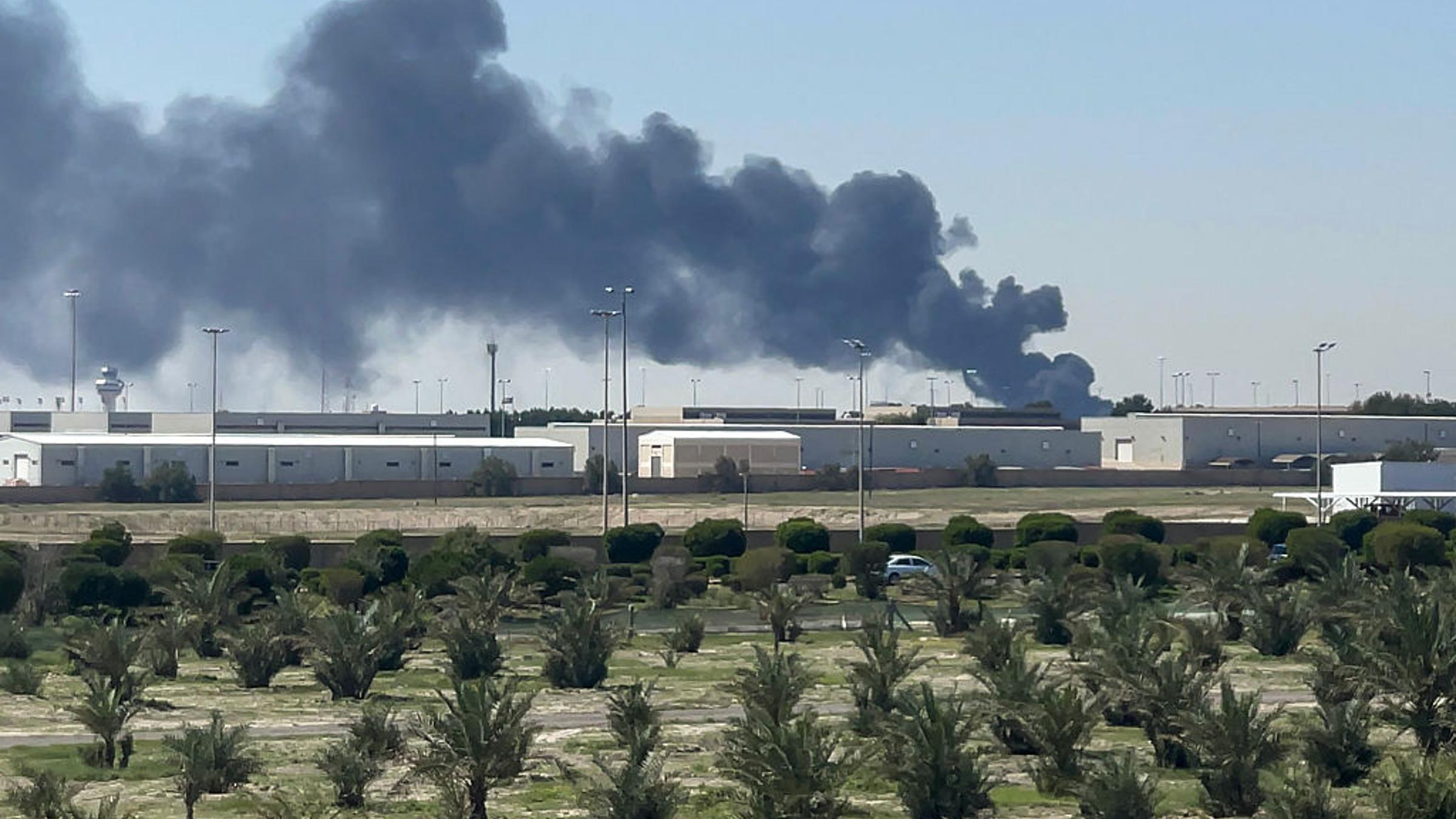
The IRGC's threat has significant implications for the tech industry and global politics. The companies on the list have operations in or commercial ties to **I
Summary
The IRGC's threat has significant implications for the tech industry and global politics. The companies on the list have operations in or commercial ties to **Israel**, and several have documented links to the Israeli military or defense firms. The situation is being closely watched by governments and industry leaders around the world. For more information on the tech industry's response, see [[tech-industry-response|Tech Industry Response]]. The conflict also raises questions about the use of technology in warfare, as discussed in [[technology-and-warfare|Technology and Warfare]]. The impact on the global economy is also a concern, with the conflict already affecting **oil and gas prices**. See [[global-economy|Global Economy]] for more information.
Key Takeaways
- The IRGC has released a list of 18 potential targets for retaliation, including Apple, Google, and Microsoft
- The U.S. and Israel have killed several high-ranking Iranian officials, including Supreme Leader Ali Khamenei and Revolutionary Guards commander-in-chief Mohammad Pakpour
- The conflict has significant implications for global politics, the tech industry, and the economy
- The IRGC's threat raises concerns about the potential for cyber attacks and disruptions to critical infrastructure
- The international community should urge the U.S. and Iran to engage in diplomatic negotiations to resolve the conflict peacefully
Balanced Perspective
The situation is complex and multifaceted, with both the U.S. and Iran having legitimate concerns and grievances. The IRGC's threat should be taken seriously, but it is also important to consider the context and potential motivations behind the statement. The conflict has already resulted in significant human suffering and economic disruption, and a peaceful resolution is in the best interests of all parties involved. For more information on the conflict's impact, see [[humanitarian-crisis|Humanitarian Crisis]]. The importance of international cooperation in resolving conflicts is also discussed in [[international-cooperation|International Cooperation]].
Optimistic View
The IRGC's threat may be a negotiating tactic to pressure the U.S. and Israel to end the war. **U.S. President Donald Trump** has suggested that he is in talks with Iranian leaders aimed at ending the conflict, and the IRGC's statement may be an attempt to accelerate these negotiations. Additionally, the fact that the IRGC is warning employees of the targeted companies to leave their workplaces immediately suggests that they may be trying to avoid civilian casualties. For more information on the negotiations, see [[us-iran-negotiations|U.S.-Iran Negotiations]]. The role of diplomacy in resolving conflicts is also explored in [[diplomacy|Diplomacy]].
Critical View
The IRGC's threat is a serious escalation of the conflict and increases the risk of further violence and instability in the region. The fact that the IRGC is targeting U.S. tech companies suggests that they may be trying to disrupt the global economy and create chaos. Additionally, the involvement of **Israel** and other regional actors adds complexity to the situation and increases the risk of a wider conflict. For more information on the regional implications, see [[middle-east-geopolitics|Middle East Geopolitics]]. The potential consequences of a wider conflict are also explored in [[global-security|Global Security]].
Source
Originally reported by Time Magazine